

Shingles
Shingles is a common condition covered by the Pharmacy First service. It is caused by the same virus that causes chickenpox and usually only affects people who have had chickenpox before. Shingles itself cannot be passed from person to person, but someone with shingles can pass chickenpox to people who have not had chickenpox or the vaccine, so extra care is needed around vulnerable people.
Highfield Pharmacy St Albans - Helping the local community in St Albans, Chiswell Green, Sandridge, Jersey Farm, Frogmore, London Colney and beyond.
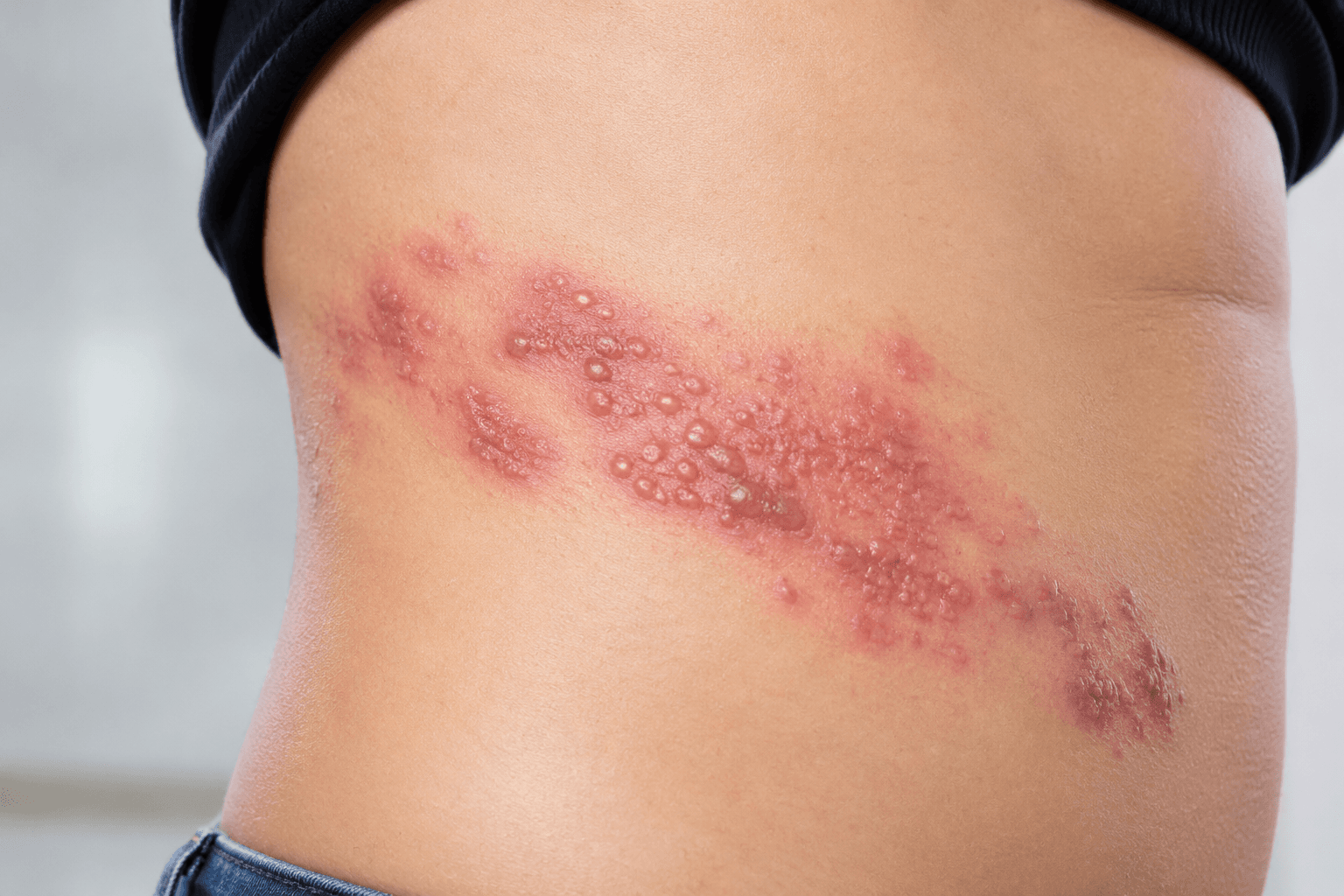
Shingles Symptoms
Shingles can cause a range of uncomfortable symptoms, with the rash often being the most recognisable. The rash can last for two to four weeks and may change as it heals. It can begin as a flat rash before becoming fluid-filled blisters within a few days. These blisters may burst, then dry and form scabs after around seven to ten days. The scabs usually fall off naturally as healing continues.
Expert in Shingles
Shingles can cause a painful rash and serious complications if not treated early. Access antiviral treatment and expert advice quickly through the Pharmacy First service at Highfield Pharmacy St Albans.
Treatment
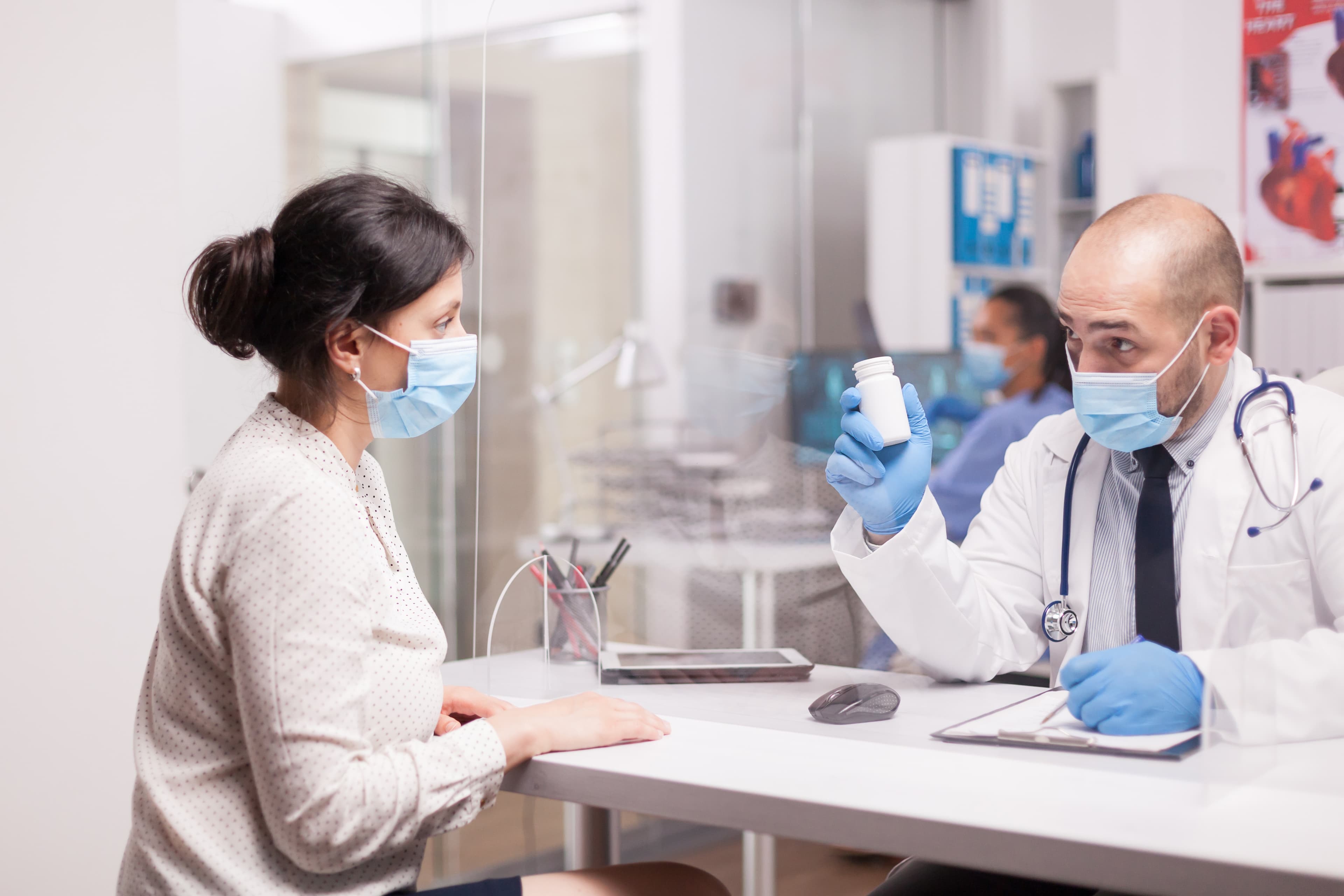
Treatment for shingles may include antiviral medicine, pain relief, topical creams or ointments and other medicines for nerve-related pain in some cases. Antivirals work best when started within 72 hours of symptoms appearing and may help...

Complications
Most cases of shingles improve within a few weeks, but complications can happen. The rash may become infected and require antibiotics, and scarring can occur. If shingles affects the area around the eye, it may cause...

Who is at risk?
Two important risk factors for shingles are age and a weakened immune system. People over 50 are at higher risk because the immune system can become weaker with age. A weakened immune system may also be...
Why Choose Highfield Pharmacy?
Shingles is usually a mild to moderate condition that causes a painful or itchy rash, often in a band on one side of the body or face. In many cases it improves within a few weeks, but early treatment can reduce symptoms and help prevent complications. Antiviral medicines may be used to treat the underlying virus, while pain relief can help with discomfort. Some cases can become more serious, particularly in people with a weakened immune system or if the rash affects the eye. If our pharmacist identifies warning signs, you may be referred urgently to your GP or another appropriate healthcare service.
Need Treatment or Advice Today?
Speak with our pharmacy team for fast, professional support and expert Pharmacy First guidance.