

Infected Insect Bites
Possible complications from infected insect bites, including conditions such as Lyme disease, scabies or malaria-related concerns after travel, can be worrying. Fortunately, Pharmacy First provides a simpler way to access assessment and treatment for infected insect bites without needing to wait for a GP appointment. While insect bites can happen at any time of year, they are more common during the summer months.
Highfield Pharmacy St Albans - Helping the local community in St Albans, Chiswell Green, Sandridge, Jersey Farm, Frogmore, London Colney and beyond.
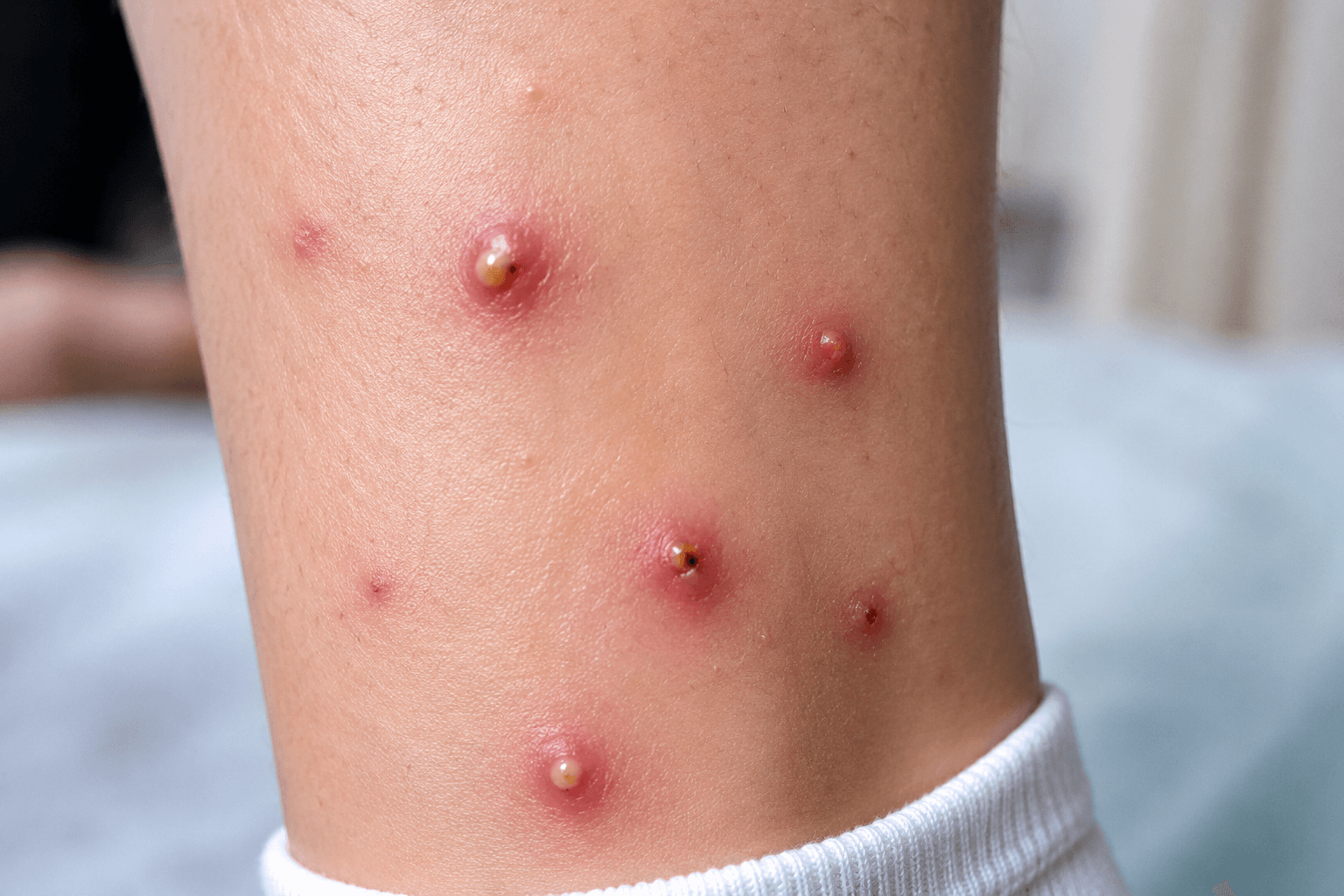
Infected Insect Bite Symptoms
Infected insect bites can sometimes look similar to ordinary bites, which makes it difficult to tell the difference. A common insect bite may cause blistering, bruising, itchiness, a rash or swelling. Signs that a bite may be infected include chills, fever, increased pain, pus, spreading redness, swelling around the bite or swollen glands. If you are worried that an insect bite may be infected, book a consultation with our pharmacist through the Pharmacy First service.
Expert in Infected Insect Bites
An infected insect bite can quickly become a serious concern if left untreated. Access prompt assessment and treatment at Highfield Pharmacy St Albans through the Pharmacy First service.

Who is at risk?
Anyone can be bitten by an insect, and there is no single type of person who is always more at risk. The best way to reduce the chance of bites is to cover exposed skin when...
Treatment
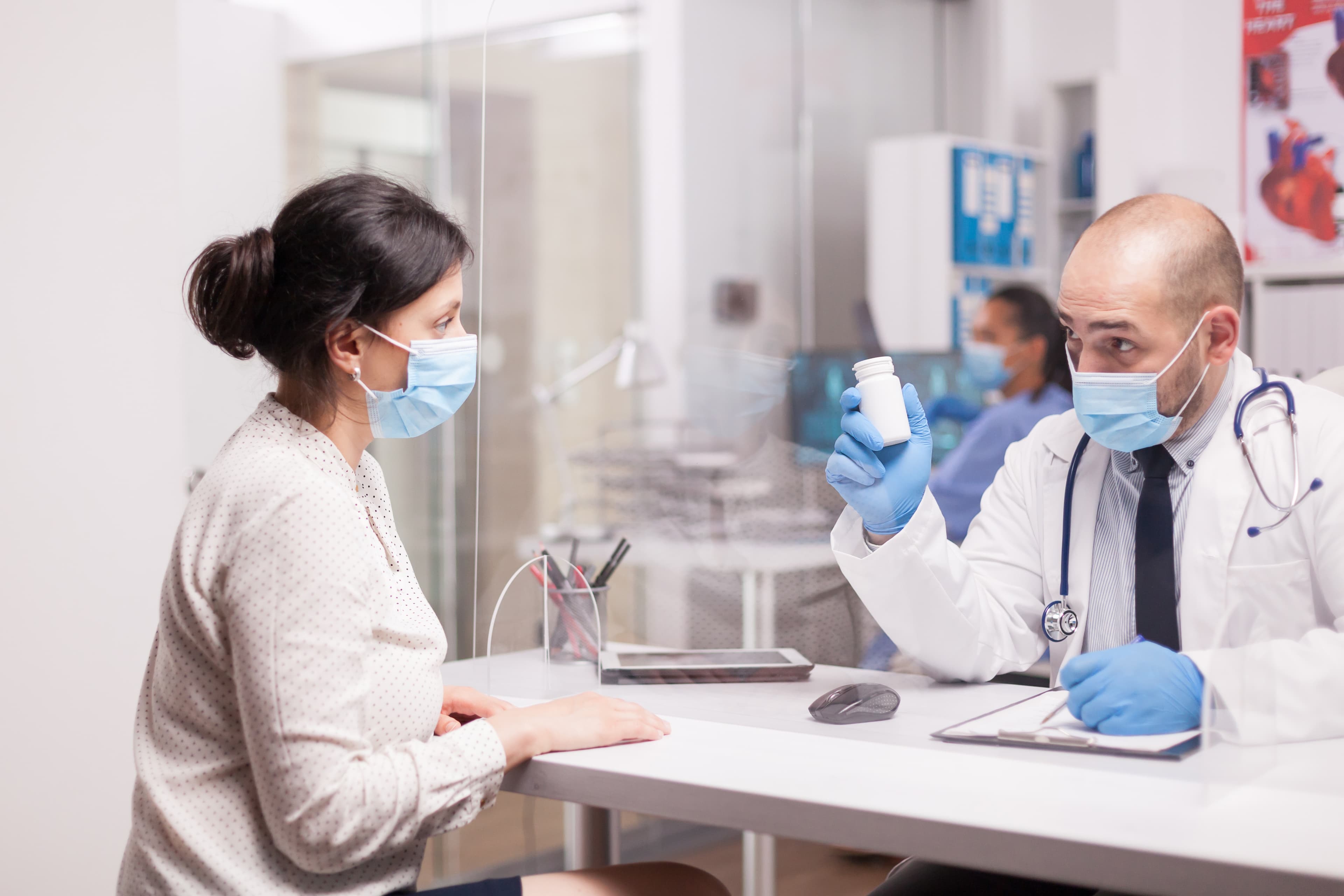
Treatment for infected insect bites depends on symptoms and severity. A pharmacist may recommend antihistamines, steroid creams or painkillers to help relieve discomfort, itching, swelling and pain. If the bite is more severe or clearly infected,...

Complications
Insect bites can occasionally lead to more serious health concerns. Lyme disease can occur after an infected tick bite and may cause a circular rash around the bite, high temperature, headache and tiredness. Scabies, caused by...
Why Choose Highfield Pharmacy?
Insect bites are very common and many heal on their own if they do not become infected. However, when infection develops, it can pose a risk to your health and should not be ignored. Watch for worsening pain, pus, fever, chills, spreading redness or swollen glands. Anyone can develop an infected insect bite, so it is sensible to take precautions outdoors, particularly during summer. Long-sleeved clothing, insect repellent and avoiding high-risk areas such as still water can help reduce bites. If home care does not help or you are concerned about infection, Get expert healthcare advice quickly and conveniently through our Pharmacy First service at Highfield Pharmacy St Albans, with support for a range of common conditions.
Need Treatment or Advice Today?
Speak with our pharmacy team for fast, professional support and expert Pharmacy First guidance.